Trail highlights
- Historic Georgetown Mile 0 lock and canal heritage corridor
- Crushed-stone Potomac riding with Key Bridge and Fletcher's Cove views
- NPS e-bike access with pedal-assist requirement and 15 mph trail limit
- Direct links to Capital Crescent Trail and Potomac waterfront routes
- Gateway to Maryland's Great Falls and the full 184-mile C&O corridor
Route Overview: Georgetown to the D.C. Line
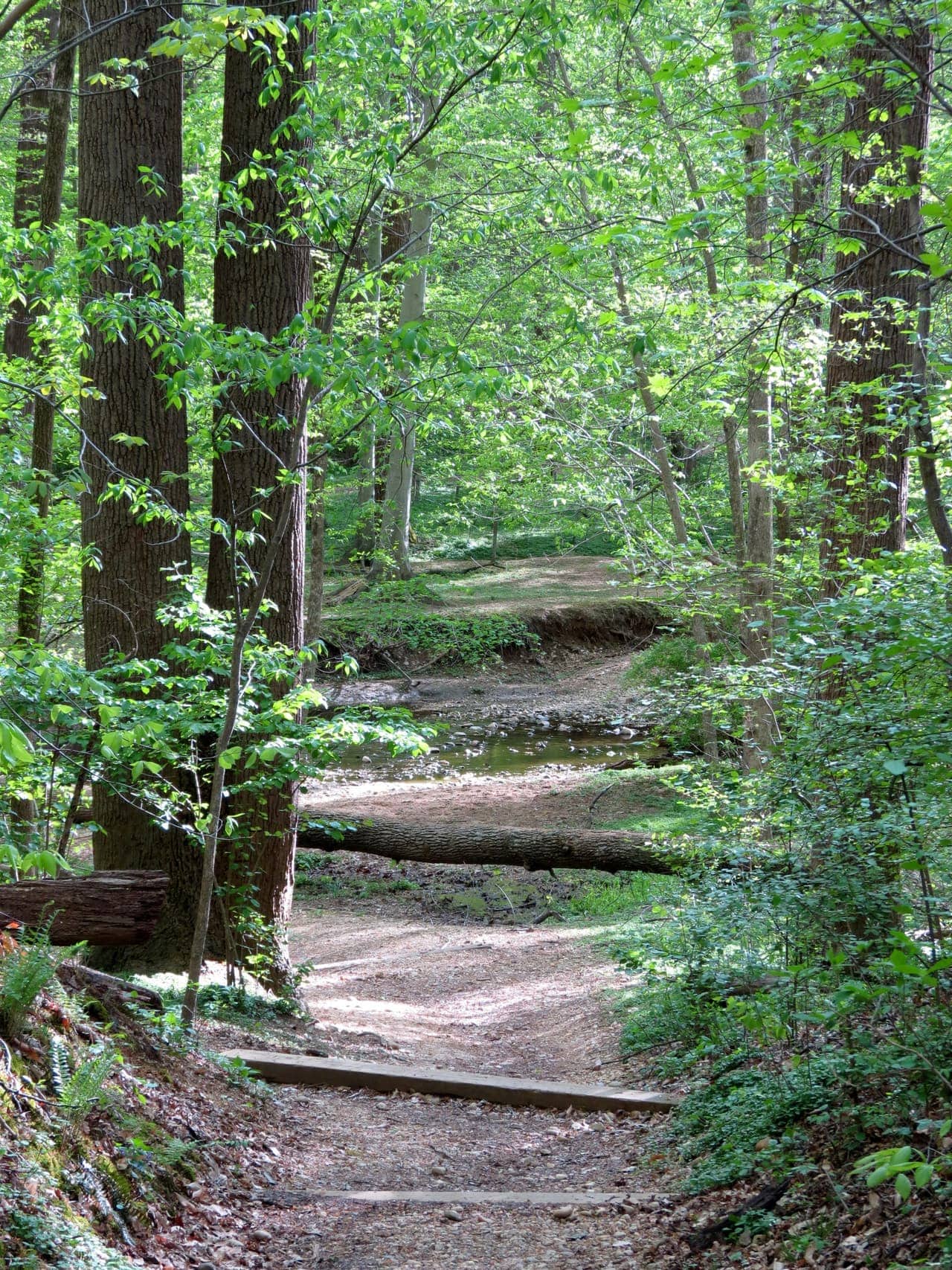
The District of Columbia section of the Chesapeake and Ohio Canal National Historical Park towpath runs roughly four miles west from Georgetown along the Potomac River toward the Maryland boundary near Fletcher's Cove and Chain Bridge. Managed entirely by the National Park Service, this segment follows the historic canal prism through a corridor of sycamores, lock ruins, and river overlooks that feel surprisingly wild for a capital city ride.
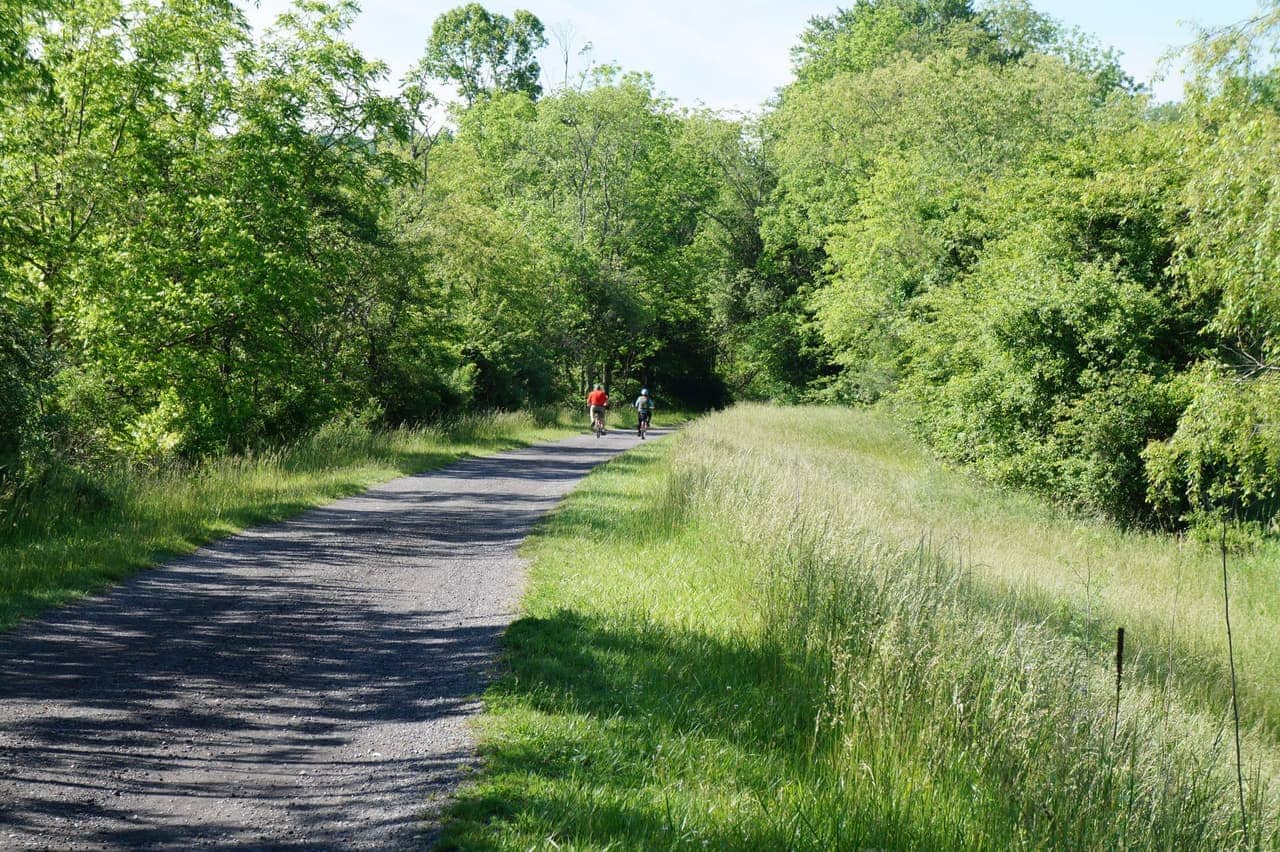
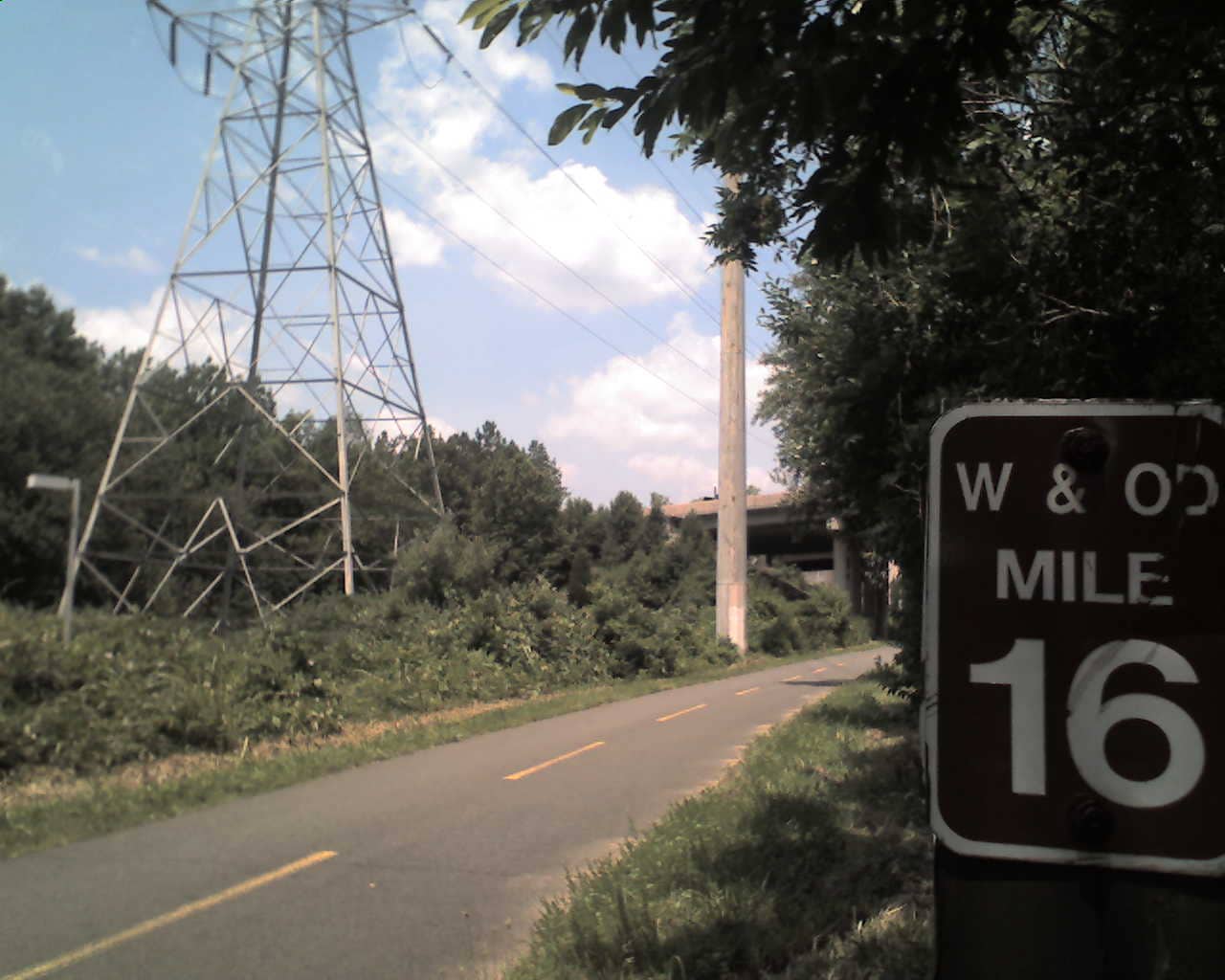
The surface is predominantly hard-packed crushed stone—generally smooth enough for hybrid and gravel tires but softer and slower than the paved Capital Crescent Trail that parallels it in Georgetown. Mile markers along the towpath help you gauge distance; Mile 0 sits at the Georgetown lift-lock area near Rock Creek, and the route continues uninterrupted into Maryland for riders heading toward Great Falls or the full 184-mile corridor to Cumberland.
This is a shared corridor for hikers, joggers, anglers, and horseback riders in permitted zones. Expect narrow sections, occasional mud after rain, and slow zones near Great Falls Overlook and Fletcher's Boathouse where foot traffic concentrates. The towpath connects directly to the Capital Crescent Trail terminus at Georgetown and to Potomac waterfront routes linking Rock Creek Park and the Mount Vernon Trail across the river in Virginia.
E-Bike Access: NPS Rules and D.C. Motorized Bicycle Law
E-bikes are permitted on the C&O Canal towpath wherever traditional bicycles are allowed, per the park superintendent's compendium and NPS bicycle guidance. The federal definition requires fully operable pedals and a motor under 750 watts. Using the electric motor to propel the bike without pedaling is prohibited except where public motor vehicle traffic is allowed—which effectively means you must pedal on the towpath.
Washington, D.C. adopts its own motorized bicycle standard rather than Virginia's or Maryland's three-class framework. D.C. Code § 50-2201.02 caps motor-assisted speed at 20 mph on level ground. Class 1 and Class 2 e-bikes that meet that cap generally qualify as legal motorized bicycles; Class 3 models designed to assist to 28 mph do not. Operators must be at least 16 years old. DCMR § 18-1201.18 prohibits motorized bicycles on D.C. sidewalks and off-street bike paths, but the NPS-managed towpath operates under federal bicycle regulations rather than that local path prohibition.
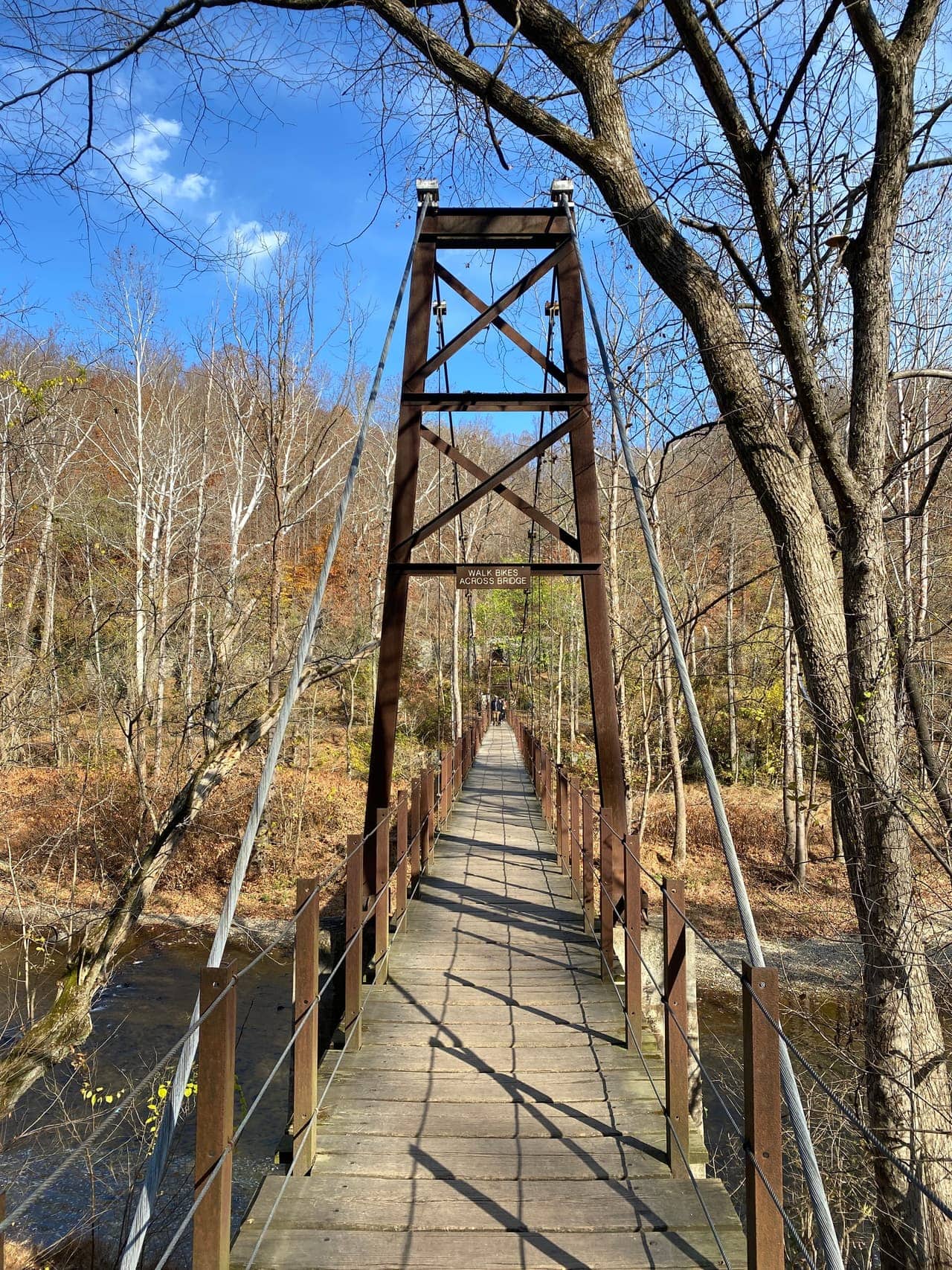
On designated NPS routes within the park, including the towpath, Capital Crescent Trail segment, and Berma Road, the superintendent's compendium sets a 15 mph maximum speed—stricter than D.C.'s 20 mph motorized bicycle cap. Plan to ride in a low assist mode through crowded Georgetown segments. Dismount and walk your bike across all aqueducts and footbridges, including the Foundry Branch crossing. Helmets are required for operators and passengers under 16 on public rights-of-way under D.C. Code § 50-1605.
Highlights Along the D.C. Towpath
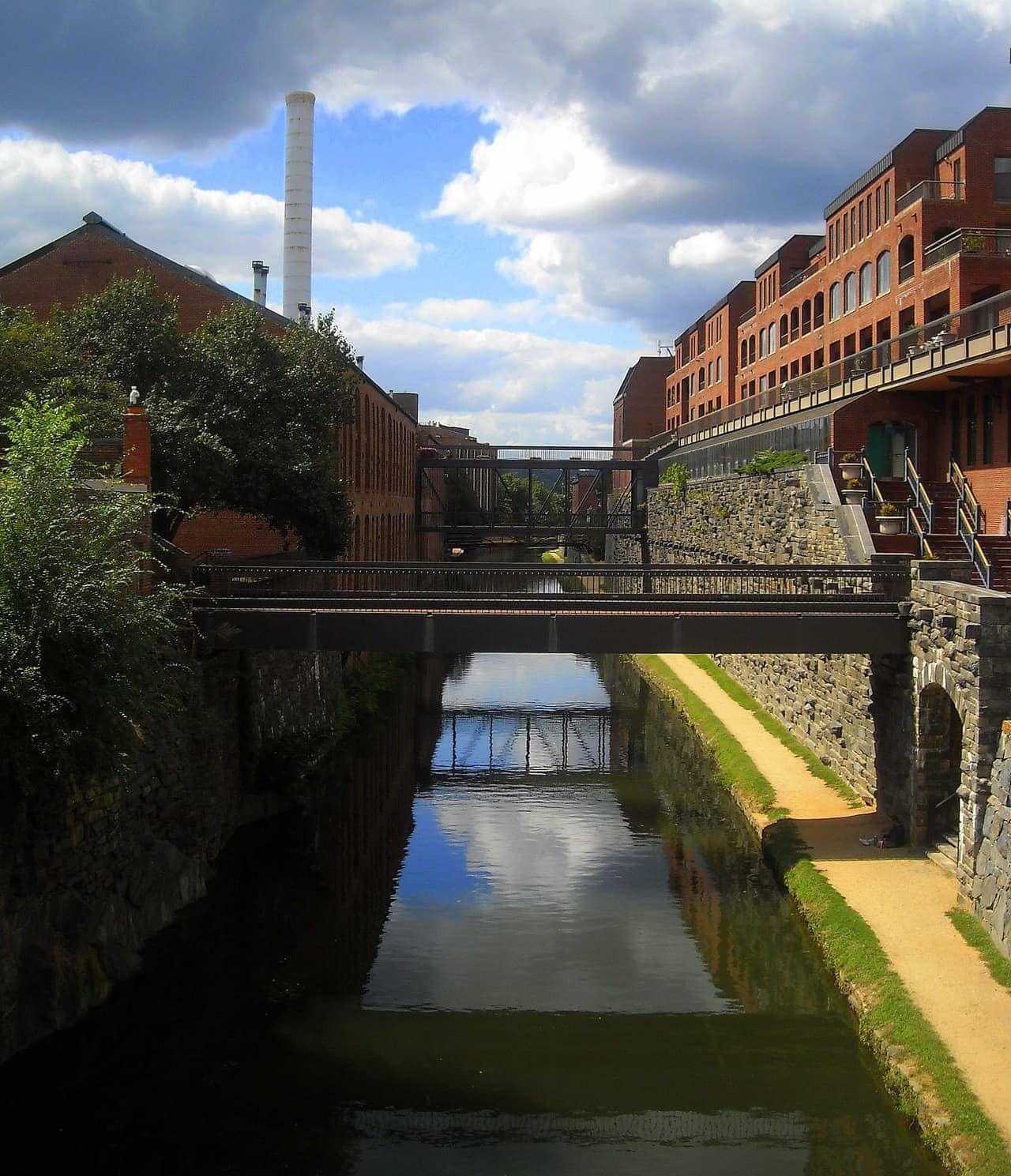
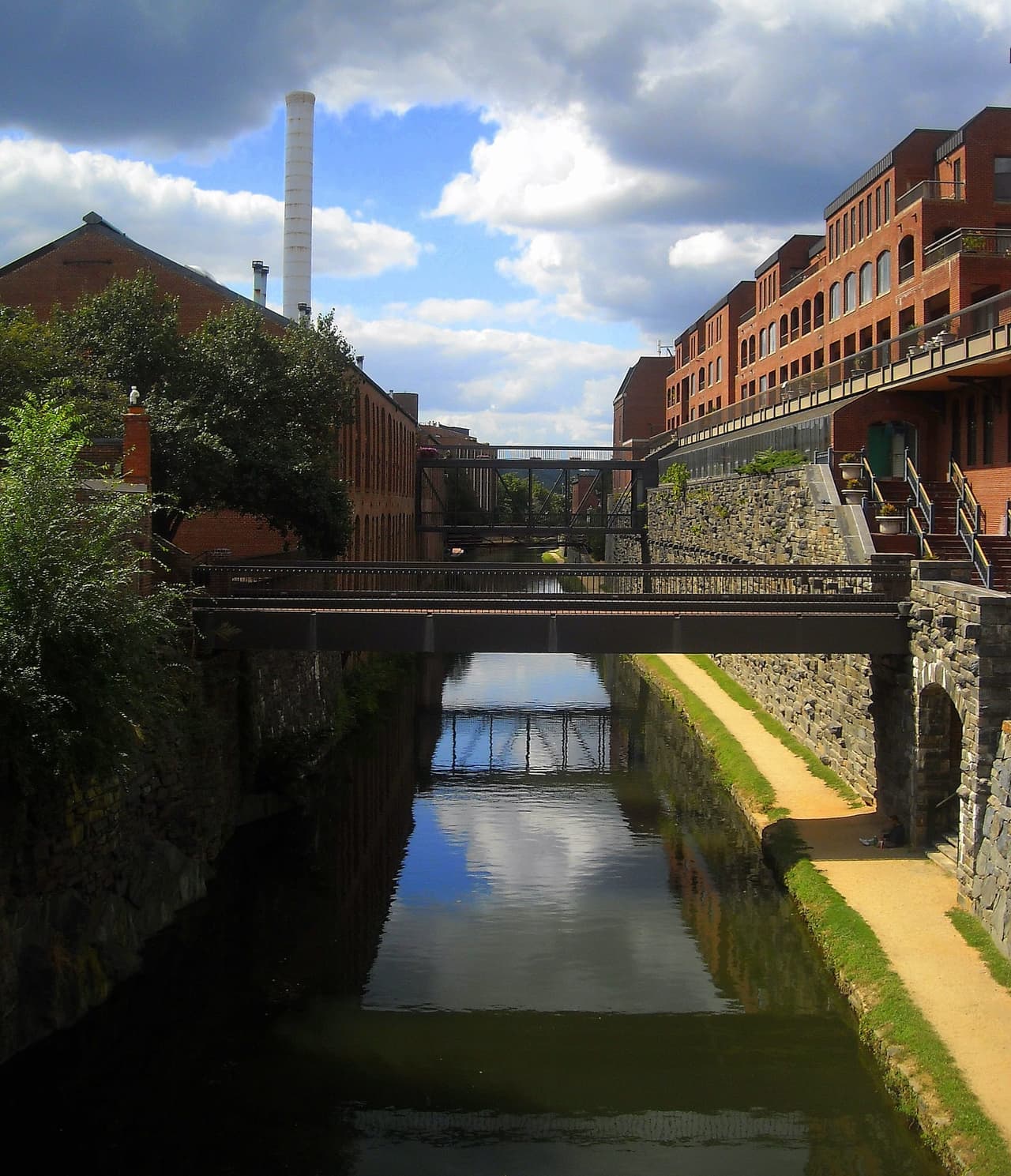
Georgetown's Mile 0 area puts you at the heart of one of the region's oldest industrial corridors, with the restored Georgetown Lift Lock, canal boat programs, and waterfront restaurants steps from the trailhead. Heading upstream, the wide Potomac views open toward Roosevelt Island and the Virginia shoreline.
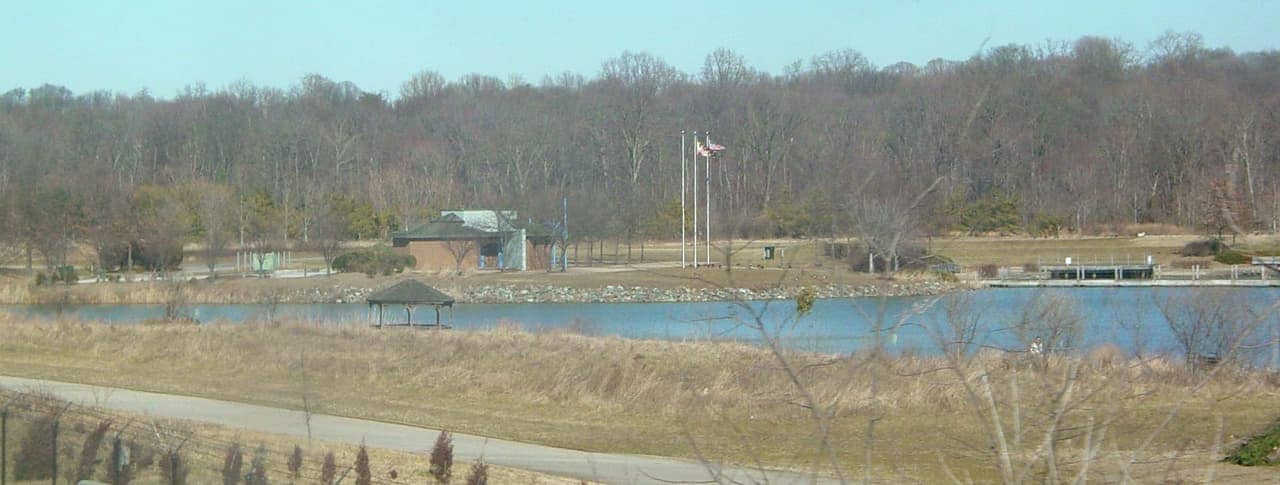
Fletcher's Cove (around Mile 3) is a local institution: rowboat and kayak rentals, a snack bar, and a popular angling spot where the towpath bends into a shaded river bend. The route passes beneath the graceful arches of the Key Bridge and continues toward Chain Bridge, where the canal corridor narrows and the forest closes in.
Wildlife sightings—herons, turtles, and deer—are common in the early morning. Lock ruins and interpretive signage tell the story of the canal's 19th-century commerce. For e-bike riders, the towpath is a natural link in a longer Potomac loop combining the Capital Crescent, Rock Creek Trail, and bridges into Virginia.
- Mile 0 Georgetown lift-lock area and Potomac Heritage Trail connections
- Fletcher's Cove boathouse, fishing, and riverside picnic spots
- Key Bridge and Chain Bridge river crossings with forested canal prism
- Direct connection to Capital Crescent Trail at Georgetown waterfront
- Gateway to Maryland segments toward Great Falls and the full C&O corridor
Access Points and Parking
The most popular Georgetown trailhead sits at the intersection of the towpath and the Capital Crescent Trail near Water Street NW and the Georgetown waterfront. Capital Bikeshare and limited street parking are available in Georgetown, though weekend demand is high. Many riders arrive by Metro (Foggy Bottom–GWU, then a short ride) or combine the towpath with a one-way trip.
Fletcher's Cove offers a dedicated parking lot off Canal Road NW with access to the towpath and boathouse. Foundry Branch and other mid-route pull-offs provide additional entry points for shorter out-and-back rides. Chain Bridge access connects riders continuing into Maryland toward the Capital Beltway and Great Falls.
Overnight parking for through-trekkers is limited in Georgetown; long-distance C&O riders often arrange shuttles or stay at canal-side hiker-biker campsites in Maryland. Check NPS alerts for towpath closures during flooding—the Potomac can submerge low sections after heavy rain.
Riding Tips for E-Bike Towpath Etiquette
Run lower tire pressure than you would on pavement—35–45 psi on 40 mm or wider tires improves comfort and traction on crushed stone. After storms, mud and standing water can make the surface slippery; Class 2 throttle launches are poor etiquette here and violate NPS pedal requirements anyway.
Stay right except when passing, announce passes early, and slow to walking speed near anglers and lock ruins. Horses and mules appear in permitted sections November through March upstream of Georgetown; yield generously. The towpath has no lighting—carry front and rear lights if you ride near dawn or dusk, and note that parkland from Georgetown to Seneca closes at dark.
Battery range is rarely an issue on the D.C. section alone, but there are no charging stations on the towpath. Carry a repair kit; the nearest bike shops are in Georgetown and Bethesda. If you continue into Maryland, remember that the Western Maryland Rail Trail allows only Class 1 e-bikes under Maryland DNR rules—a different policy from the NPS towpath.
Seasonal Conditions
Spring brings mud and overgrowth as the canal thaws; summer offers deep shade but heavy weekend crowds in Georgetown and at Fletcher's. Fall is the sweet spot—dry surface, autumn color, and fewer tour groups. Winter rides can be serene, but ice in shaded sections and early darkness require caution.
Flooding closes the towpath periodically when the Potomac rises. NPS posts condition updates on the C&O Canal website and social channels. Ticks and poison ivy appear in summer along overgrown edges—stay on the main tread. Heat and humidity in July and August make early-morning rides preferable for e-bike battery efficiency and personal comfort.
Nearby Trails and Connections
The Capital Crescent Trail begins at the Georgetown waterfront and offers a paved alternative paralleling the towpath toward Bethesda. Rock Creek Trail reaches Georgetown under the Whitehurst Freeway, connecting north through Rock Creek Park. Across the Key Bridge, the Mount Vernon Trail and Arlington's riverfront network expand your loop options into Virginia.
For a monument ride, continue east via connector routes through the National Mall area—allow extra time for crowds and walk-your-bike zones at memorials. DDOT-managed trails like the Metropolitan Branch and Anacostia Riverwalk follow different jurisdictional rules than this NPS corridor; verify policies before linking a multi-jurisdiction day ride.
E-bike policy
NPS manages the towpath; e-bike policies follow federal and local guidance for the DC section.
Access points
- Georgetown Waterfront / Mile 0 — Primary trailhead at Water Street NW; connects to Capital Crescent Trail; limited street parking and Capital Bikeshare.
- Fletcher's Cove — Parking lot off Canal Road NW; boathouse, fishing access, and mid-route towpath entry around Mile 3.
- Foundry Branch Crossing — Footbridge access between Georgetown and Fletcher's; cyclists must dismount across the bridge.
- Chain Bridge Area — Western D.C. access near the Maryland line; connects toward Great Falls and the wider C&O corridor.
Seasonal notes
Spring mud and summer crowds are the main challenges; fall offers the best conditions. The towpath may close during Potomac flooding. Parkland from Georgetown to Seneca closes at dark. No towpath charging stations—plan battery range accordingly.
FAQ
Yes. NPS allows e-bikes on the towpath where traditional bicycles are permitted, with operable pedals, a motor under 750 watts, mandatory pedaling (no throttle-only riding), and a 15 mph speed limit on designated park routes.