
Regulations
E-Bike Laws by State (2026 Guide)
Authoritative comparison of e-bike laws in Virginia, Maryland, and Washington DC. Class rules, helmets, registration, and trail access.
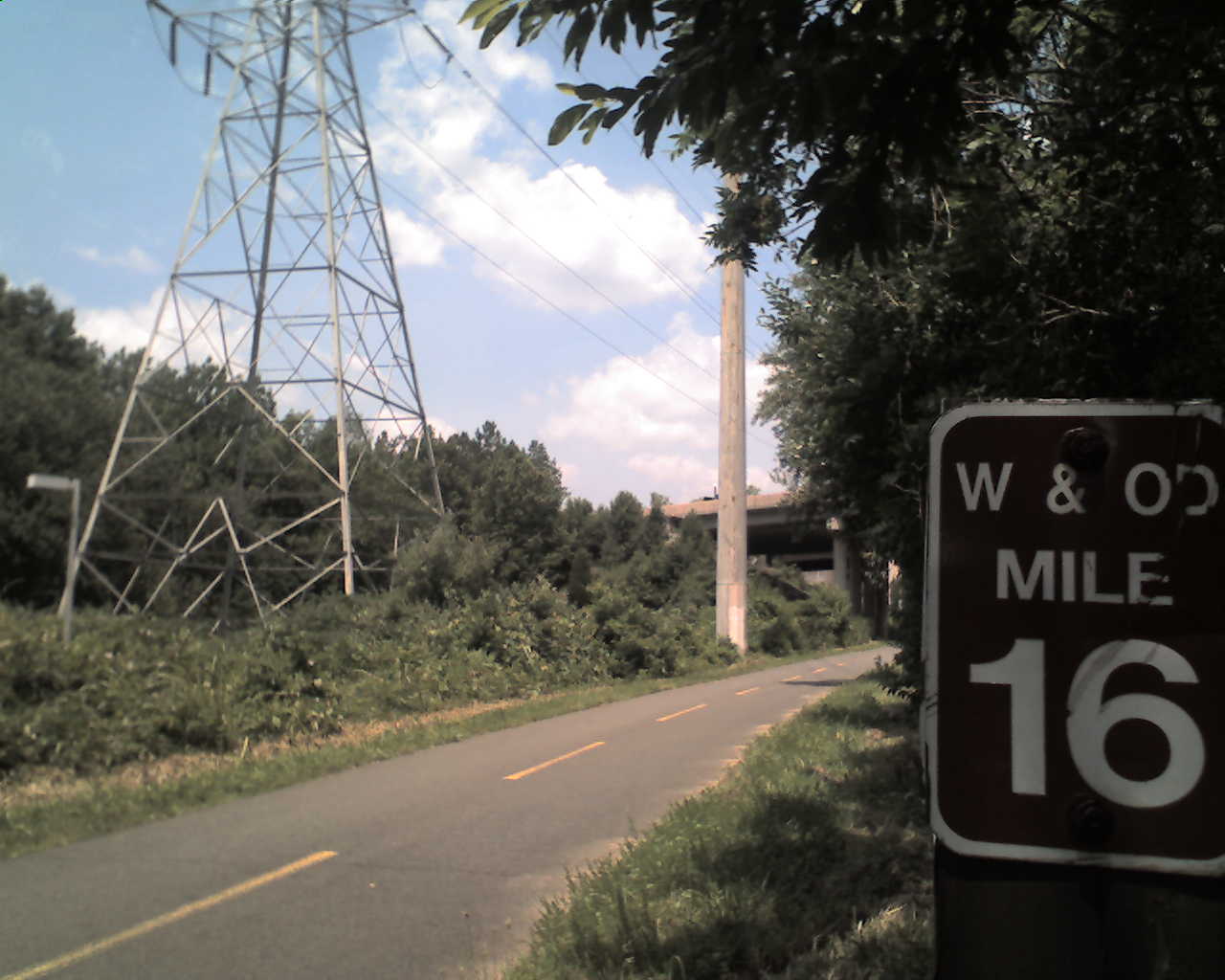
E-bike law in the United States operates in layers: federal land-agency rules, state statutes defining the three-class system, and local ordinances governing sidewalks, bike lanes, and park trails. The most restrictive applicable rule usually governs where you can ride.
Virginia, Maryland, and Washington DC have each adopted the national three-class framework, but they differ on age limits, helmet requirements, and how e-bikes are treated on natural-surface trails versus paved multi-use paths.
Use the comparison matrix below to see how launch jurisdictions align, then open each state's page for detailed classifications, trail-access summaries, and cited statutory sources.
By eBikeQuest Editorial Team · Platform Research & Verification
Reviewed by eBikeQuest Editorial Team · Internal verification and editorial review
- Published:
- June 18, 2026
- Updated:
- June 18, 2026
- Reviewed:
- June 18, 2026
Comparison
State-by-state comparison
Compare Class 1, 2, and 3 rules, helmet requirements, registration, and trail access across our launch jurisdictions.

| Jurisdiction | Class 1 | Class 2 | Class 3 | Helmet | Registration | Trail access |
|---|---|---|---|---|---|---|
| Virginia | Yes | Yes | Yes (age 14+ unsupervised) | Class 3 (all ages) | No | Default allowed where bikes permitted; path managers may restrict by class |
| Maryland | Yes | Yes | Yes (age 16+; path restrictions) | Under 16 | No | Class 3 banned on most bike paths; Class 1/2 may be restricted locally |
| District of Columbia | Yes (as motorized bicycle) | Yes (as motorized bicycle) | No (not a motorized bicycle) | Under 16 | No | Road bike lanes OK; sidewalks and off-street paths prohibited for motorized bicycles |
Methodology
eBikeQuest law content for Virginia, Maryland, and Washington DC is compiled directly from primary legal sources: the Virginia Code (law.lis.virginia.gov), Maryland Transportation Article (mgaleg.maryland.gov), and District of Columbia Code and Municipal Regulations (code.dccouncil.gov, dcrules.elaws.us). Each jurisdiction page cites the specific statutory sections governing definitions, classification, operation, equipment, age limits, helmet requirements, and path access. Land-manager policies from Virginia DCR State Parks, Virginia DWR, Maryland DNR, DDOT, and the National Park Service supplement statutory defaults where trail access is delegated to agencies. Statutory text was verified against official code publications current through the 2025–2026 legislative sessions, including Maryland HB 375 (sidewalk riding, effective October 1, 2025) and DDOT's 2022–2023 DCMR amendments opening select multi-use trails to motorized bicycles. eBikeQuest distinguishes between statewide statutory defaults and local or agency-specific restrictions, because path managers in all three jurisdictions retain authority to prohibit or regulate e-bike classes on trails under their control. Content is reviewed quarterly and updated within five business days of verified legislative changes. This material is informational and does not constitute legal advice.
FAQ
Frequently asked questions
Virginia and Maryland use the standard Class 1/2/3 framework with 750-watt motors. DC uses a motorized bicycle definition capped at 20 mph on level ground with no class tiers in statute.