Trail highlights
- Cape Henry and Live Oak trails only for bikes and e-bikes
- Class 1 and Class 2 permitted; Class 3 prohibited in state parks
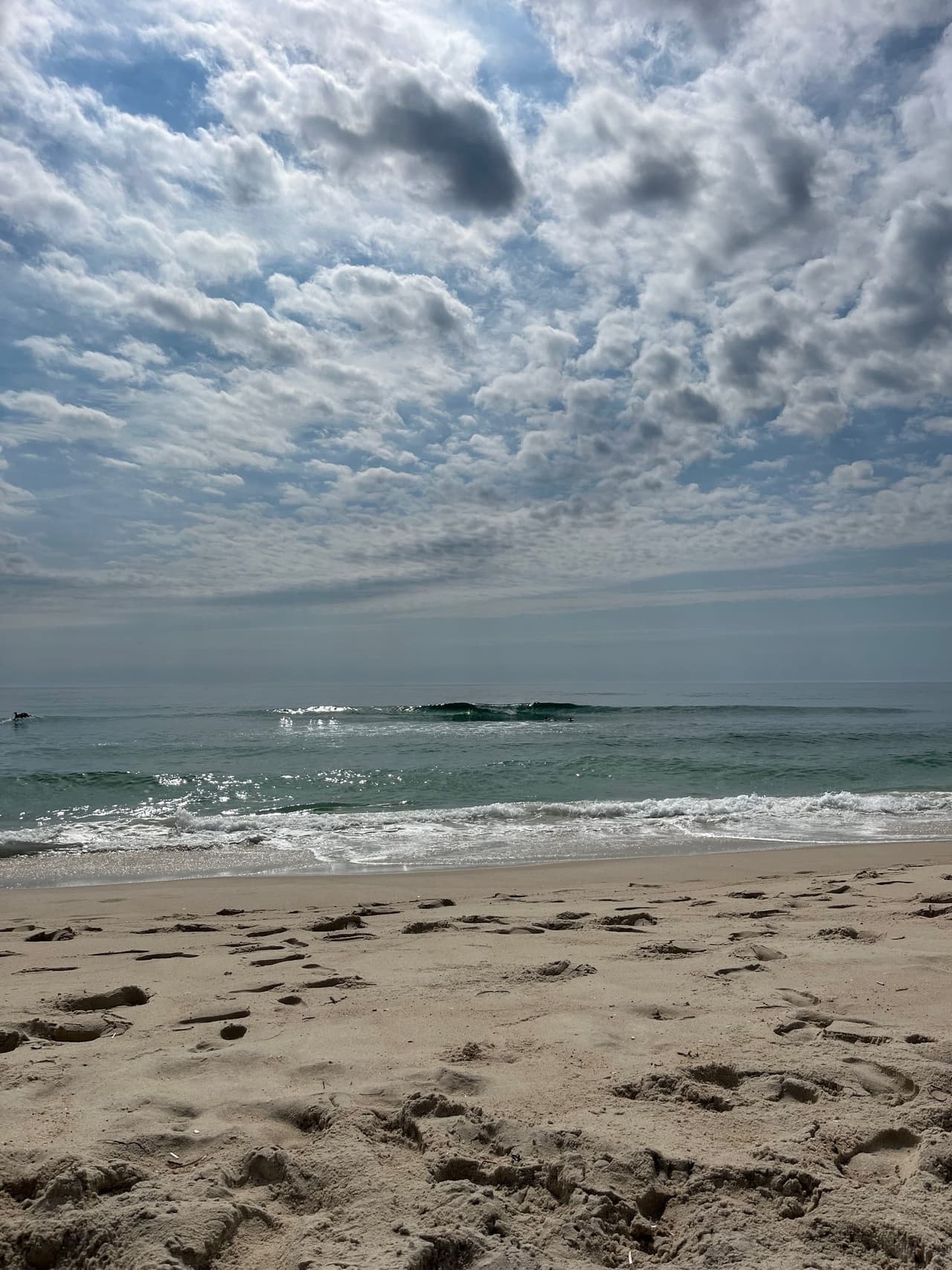
- Coastal forest, cypress swamps, and Chesapeake Bay beach
- Six-mile Cape Henry Trail as the main ride
- Trail Center maps and Virginia Beach location
Route Overview
First Landing State Park preserves coastal forest, bald cypress swamps, lagoons, and 1.5 miles of Chesapeake Bay beachfront at the mouth of the Chesapeake Bay in Virginia Beach—where English settlers first landed in 1607. More than 20 miles of trails weave through maritime woods, with most routes designated hiking-only.
Bicycles—and therefore qualifying e-bikes—are restricted to two named trails: Cape Henry Trail and Live Oak Trail, per the park's official trail guide and website. Other popular paths such as the Bald Cypress Trail, Osmanthus Trail, and boardwalk segments are hiking-only and prohibit bikes to protect sensitive wetlands and high pedestrian volumes.
Surfaces on bike-legal routes are generally firm park roads and crushed paths through forest; boardwalks on hiking trails are off limits to wheels. The park is Virginia's most visited state park, so expect steady foot traffic even on weekdays in summer.
Trail Center staff can confirm whether Live Oak or Cape Henry has temporary maintenance closures after coastal storms.
E-Bike Access and Rules
Virginia DCR allows Class 1 and Class 2 e-bikes on bicycle paths or trails designated for bicycle use. First Landing further narrows bicycle access to Cape Henry Trail and Live Oak Trail only—e-bikes must follow the same restriction. Class 3 e-bikes are prohibited in Virginia State Parks under 4VAC5-30-276.
The park website notes that while motorized vehicles are not permitted on trails, electric wheelchairs and mobility scooters meeting the federal wheelchair definition may use trails. That exception does not extend to recreational e-bikes on hiking boardwalks.
Stay on designated bike routes, yield to hikers at crossings, and obey trail safety signs. Riding on Bald Cypress or other hiking boardwalks risks fines, resource damage, and conflict with birders and families.
- Allowed: Class 1 and Class 2 e-bikes on Cape Henry Trail and Live Oak Trail only.
- Prohibited: Class 3 e-bikes; bicycles on all other park trails and boardwalks.
- Mobility devices: ADA-compliant electric wheelchairs exempt from the bicycle restriction.
- Official sources: dcr.virginia.gov First Landing; trail guide PDF; e-bike policy PDF; 4VAC5-30-276.
Trail Highlights
Cape Henry Trail runs roughly six miles as the park's primary bike-legal corridor, passing trail centers and connecting to broader forest loops on foot nearby. Live Oak Trail adds a shorter bike-permitted option through maritime forest.
Hikers on adjacent trails enjoy cypress swamps, lagoon overlooks, and interpretive self-guided tours—but e-bike riders should plan beach time separately via designated beach access rather than riding sand unless local rules allow dismounted walking.
- Cape Henry Trail—main bike-legal corridor about six miles long
- Live Oak Trail—secondary bicycle route through coastal forest
- 1.5 miles of Chesapeake Bay beach separate from bike trails
- Bald cypress swamps and maritime forest ecosystems
- Virginia Beach's most visited state park—expect crowds in summer

Access and Parking
Enter at 2500 Shore Drive, Virginia Beach, VA 23451. Multiple parking areas serve the Trail Center, beach access, and campground. Summer fills early—arrive before 9 a.m. on holiday weekends or use Virginia State Parks reservation systems for camping stays that include bike-friendly campground loops on foot.
The Trail Center offers maps, self-guided tour booklets for hiking trails, and staff who can confirm current bike-legal routes and any temporary closures after storms.
Riding Tips for E-Bikers
Cape Henry and Live Oak are relatively tame compared to mountain trails—city-oriented e-bikes and hybrids work fine. Keep assist low near trail centers where hikers cross bike routes.
Sand, salt air, and humidity accelerate corrosion; rinse drivetrains after coastal rides and store batteries indoors. Summer afternoon thunderstorms pop quickly—monitor radar.
Combine a morning e-bike loop on Cape Henry with an afternoon beach visit on foot to experience the park without violating hiking-only boardwalk rules.
Park interpreters lead seasonal walks on hiking-only trails—join on foot after securing your bike at the Trail Center racks.
Live Oak Trail offers a shorter alternative when Cape Henry is busy with summer camp groups and interpretive programs.
- Ride only Cape Henry and Live Oak—verify map before starting.
- Dismount where bike routes cross busy trail centers.
- Rinse bike and charge battery indoors due to coastal humidity.
- Book camping early if pairing overnight stays with riding.
Seasonal Notes
Summer tourism peaks June through August with heat, humidity, and crowded parking. Spring migration season draws birders on hiking trails—stay off those routes with any bicycle. Hurricane season can close beach and forest trails; check DCR alerts after named storms.
Winter offers quiet riding on bike-legal paths but shorter daylight. Nor'easters deposit sand and debris on connectors near the bay.
Campground guests can rack bikes at sites and pedal Cape Henry loops without moving a car during peak parking season.
Bug spray matters on humid summer evenings when mosquitos thrive in cypress swamps near bike route crossings.
Nearby Trails and Resources
Virginia Beach's boardwalk and resort district restrict bicycles and e-bikes in tourist zones seasonally—do not assume beachfront riding is legal. Back Bay National Wildlife Refuge and False Cape State Park have separate, mostly hiking-oriented policies south of the resort area.
Review eBikeQuest Mid-Atlantic etiquette and e-bike class guides before coastal visits where pedestrians dominate.
E-bike policy
E-bikes may be restricted on boardwalk and narrow natural trails; paved park roads may allow broader access.
Access points
- Trail Center — 2500 Shore Drive; maps and bike-legal route information.
- Cape Henry Trail north lot — Common starting point for the six-mile bike corridor.
- Campground access — Overnight visitors can reach Live Oak and Cape Henry connectors.
Seasonal notes
Summer crowds and afternoon storms; spring birding season on hiking-only trails. Hurricane closures possible fall season. Winter riding is quiet with limited daylight.
FAQ
Only Cape Henry Trail and Live Oak Trail allow bicycles. Class 1 and Class 2 e-bikes permitted there must follow the same restriction. All other park trails and boardwalks are hiking-only.