By eBikeQuest Editorial Team · Platform Research & Verification
Reviewed by eBikeQuest Editorial Team · Internal verification and editorial review
- Published:
- July 15, 2026
- Updated:
- July 15, 2026
- Reviewed:
- July 15, 2026
Why the DC metro area is an e-bike trail hub
The Washington, DC region sits at the intersection of three jurisdictions—Virginia, Maryland, and the District itself—each with different e-bike statutes and trail managers. That complexity rewards riders who plan routes around verified trail policies rather than assuming one rule applies everywhere.
The strongest e-bike corridors within roughly 30 miles of downtown DC share a few traits: paved or well-maintained surfaces, explicit e-bike policies published by the managing agency, and connections to Metro, commuter bridges, or regional rail-trails. This roundup compares those corridors by use case so you can pick a trail that matches your bike class, fitness level, and tolerance for crowds—not your first lesson on assist modes (see /guides/best-beginner-ebike-trails-near-dc for that).
Individual trail detail pages cover access points, seasonal notes, and policy citations. Use this guide when you are deciding which trail to ride first—not when you need mile-by-mile description of a single route.
Bridge connections to Virginia and Maryland mean many DC-area riders already cross jurisdictions on weekend rides even when they think they are staying local. Plan class permissions for the full loop, not just the trail you park at.
Quick comparison: DC-area trails at a glance
The table below summarizes how major corridors differ on distance, surface, typical e-bike classes allowed, and who each trail suits best. Policies change—verify trailhead signage and the linked detail pages before riding.
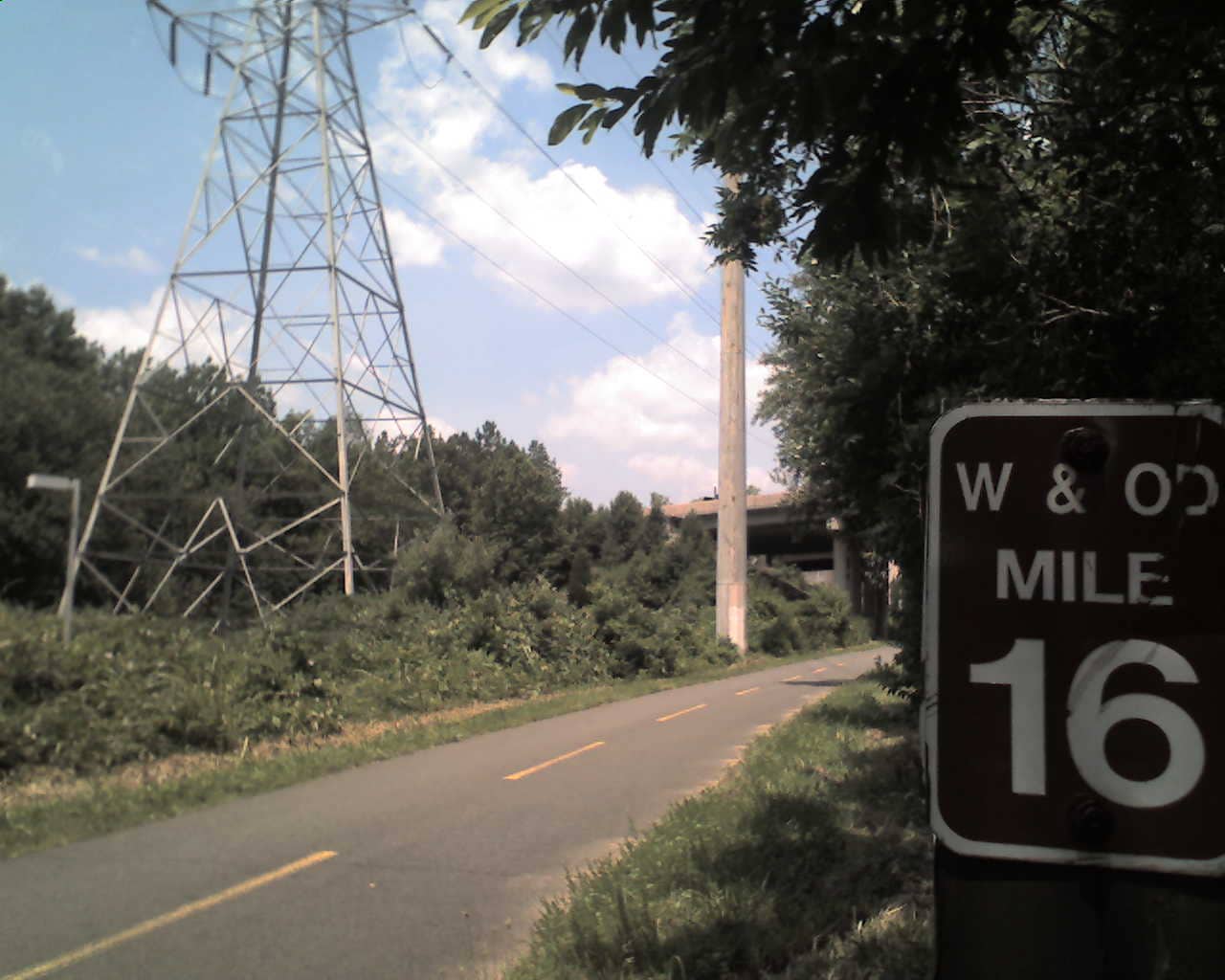
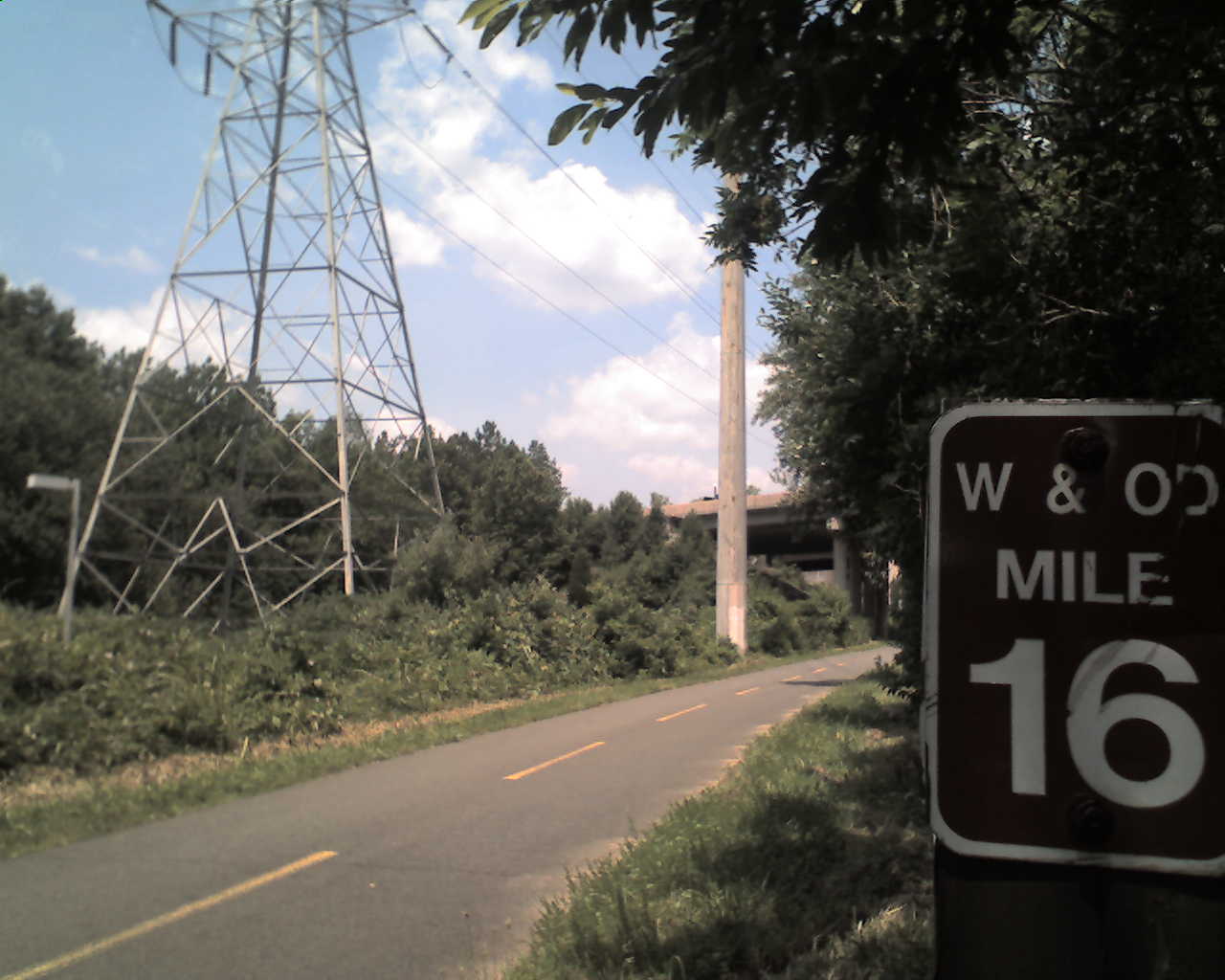
- W&OD Trail (VA): ~45 mi paved; Class 1–3 with 20 mph trail cap; best for long paved rides and NOVA commuters — /trails/virginia/washington-and-old-dominion-trail
- Mount Vernon Trail (VA): ~18 mi paved; Class 1–2, NPS pedal-assist rules; best for scenic Potomac riverfront — /trails/virginia/mount-vernon-trail
- Capital Crescent Trail (MD/DC): ~11 mi paved; Class 1–2 on MD segments; best Bethesda–Georgetown connector — /trails/maryland/capital-crescent-trail
- C&O Canal Towpath DC (DC): ~4 mi crushed stone; Class 1–2, 15 mph NPS cap; best historic Georgetown riding — /trails/washington-dc/c-and-o-canal-towpath-dc
- Rock Creek Trail (DC): ~8 mi paved/mixed; Class 1 on paved segments; best north-side park riding — /trails/washington-dc/rock-creek-trail
- Anacostia Riverwalk (DC): paved connectors; verify DDOT/NPS segments; best east-side urban riding — /trails/washington-dc/anacostia-riverwalk-trail
- Northeast Branch Trail (MD): ~7 mi paved; Class 1–2 per PG Parks; best Prince George's County tributary riding — /trails/maryland/northeast-branch-trail
Best overall pick: Washington & Old Dominion Trail
For riders who want a single trail that scales from a short Arlington outing to a 45-mile Loudoun County day ride, the Washington & Old Dominion Trail is the regional benchmark. NOVA Parks permits e-bikes with a 20 mph powered-speed cap, and the fully paved rail-trail passes through town centers with parking, water, and repair stops.
Strong choice for commuters linking Shirlington or East Falls Church to Vienna and beyond, century-training loops with shuttle options, and families who want predictable asphalt without NPS throttle restrictions. Eastern segments see heavy rush-hour use—plan assist levels accordingly.
Class 3 owners can ride the W&OD under Virginia law, but NOVA Parks requires limiting motor-assisted speed to 20 mph on the path regardless of road capability. See /laws/virginia for statewide class rules and the W&OD trail page for agency-specific guidance.

Best beginner-friendly option: Capital Crescent (Maryland segment)
New e-bike riders near DC often start on the Montgomery County portion of the Capital Crescent Trail because the surface is smooth asphalt, grades are gentle, and Bethesda Row provides an obvious turnaround with food and Metro access. The trail is heavily used, which means you will practice passing etiquette in a controlled environment.
Maryland law limits this bicycle path to Class 1 and Class 2 e-bikes—Class 3 is prohibited on the Maryland segments under Transportation Article § 21-1205.2. Montgomery Parks also caps motors at 500 watts under Park Directive MC-21-001. Good fit for riders testing pedal-assist for the first time who can reach the trail via Red Line Metro.
If Capital Crescent crowds intimidate you on a weekend morning, try a weekday mid-afternoon ride or the eastern W&OD between Vienna and Reston for similar pavement with wider sight lines.
Best scenic option: Mount Vernon Trail
The Mount Vernon Trail delivers the Potomac riverfront views tourists associate with the capital region—Alexandria waterfront, airport overlooks, and Arlington esplanades—on 18 miles of paved NPS path. Good fit for riders looking for a scenic half-day loop who accept heavy weekend congestion near Old Town and Gravelly Point.
NPS allows Class 1 and Class 2 e-bikes but prohibits throttle-only propulsion on the trail—you must pedal when the motor assists. A 15 mph speed limit applies under George Washington Memorial Parkway compendium rules. Pair this trail with our Mount Vernon Trail detail page and /laws/virginia for class context.
Parking at Mount Vernon estate or Belle Haven Community Center supports out-and-back rides. Connecting across the Potomac to DC trails requires checking bridge bike access and District motorized-bicycle rules at /laws/washington-dc.
Best long-distance option: W&OD plus C&O Canal connections
Serious distance riders combine the W&OD's 45 paved miles with crushed-stone C&O Canal towpath segments for multi-hour loops. From Shirlington you can reach Georgetown via connector trails, join the /trails/washington-dc/c-and-o-canal-towpath-dc section, and continue into Maryland toward Great Falls—each segment governed by different managers.
Good fit for riders with gravel-capable tires, spare batteries or charging plans, and patience for jurisdiction transitions. The towpath requires pedaling when using motor assist on NPS segments and enforces a 15 mph cap. Class 3 bikes face restrictions on Maryland bicycle paths and DC's 20 mph motorized-bicycle definition.
For a dedicated long-distance roundup across all three jurisdictions, see our guide on best long-distance e-bike trails in Virginia, Maryland, and DC.
Best paved option inside the District
Within DC proper, paved multi-use options include Rock Creek Trail, the Capital Crescent NPS segment into Georgetown, and Anacostia Riverwalk connectors. Rock Creek generally limits e-bikes to Class 1 on paved routes under NPS compendium rules. The Capital Crescent DC segment follows C&O Canal National Historical Park e-bike policy with pedaling requirements and a 15 mph limit.
Good fit for DC residents and visitors staying in Northwest who want pavement without driving to Virginia or Maryland. The Anacostia Riverwalk suits east-side exploration but check DDOT and NPS postings for temporary closures and class limits on specific segments.
DC street law uses a 20 mph motorized-bicycle cap rather than Virginia and Maryland class labels—see /guides/riding-ebikes-in-washington-dc and /laws/washington-dc before assuming your bike qualifies on District connectors.
E-bike class and trail access notes
The most restrictive applicable policy governs each segment of your ride. Virginia defaults permissive for Class 1–3 on many paths but federal parks and NOVA Parks operational caps narrow access. Maryland prohibits Class 3 on most bicycle paths away from highways unless a manager opts in. DC caps motorized bicycles at 20 mph capability regardless of class label.
Class 1 pedal-assist bikes unlock the widest trail access in this roundup. Class 2 throttle bikes are legal on many corridors but face NPS pedaling requirements on Mount Vernon, C&O, and Capital Crescent federal segments. Class 3 bikes should avoid Maryland bicycle paths like Capital Crescent and verify DC legality before crossing into the District.
Read /guides/ebike-classes-explained and /guides/ebike-regulations-overview for the layered rule framework, then confirm each trail's current policy on its detail page and at the trailhead.
How to choose the right trail
Start with your e-bike class and whether your route crosses state lines. Commuters from Bethesda should prioritize Capital Crescent and /laws/maryland. Arlington and Alexandria riders should compare W&OD and Mount Vernon segments. DC residents weighing riverfront versus park riding should read Rock Creek and C&O policies side by side.
Match surface to tire choice: paved rail-trails suit hybrid and endurance setups; crushed-stone towpath sections reward wider tires and lower assist in crowds. Factor parking and Metro access—Bethesda, Silver Spring, Shirlington, and Georgetown trailheads each have different weekend congestion patterns.
When two trails seem similar, pick the one whose managing agency publishes explicit e-bike guidance on its trail page. Verify policies again the week of your ride because compendiums and park directives update seasonally.
FAQ
This roundup compares experienced riders' options across jurisdictions. If you are new to e-bikes, start with /guides/best-beginner-ebike-trails-near-dc for shorter, lower-stress segments before tackling full corridor comparisons here.