By eBikeQuest Editorial Team · Platform Research & Verification
Reviewed by eBikeQuest Editorial Team · Internal verification and editorial review
- Published:
- July 15, 2026
- Updated:
- July 15, 2026
- Reviewed:
- July 15, 2026
Overview: NOVA's e-bike riding context
Northern Virginia—Arlington, Fairfax, Loudoun, Prince William, and Alexandria—combines dense suburban trail networks with federal parkland along the Potomac. Virginia's three-class e-bike statute defaults permissive on roads and many paths, but NOVA Parks, the National Park Service, and individual counties publish rules that riders must layer on top of state law.
This guide explains local riding context—commuting patterns, county rules, and where NOVA riders concentrate—not which trail to pick first. For trail comparisons, see /guides/best-ebike-trails-in-northern-virginia. For statewide law beyond the suburbs, see /guides/riding-ebikes-in-virginia.
The W&OD and Mount Vernon Trail anchor recreational riding here, with Custis, Four Mile Run, and Potomac bridge connectors linking neighborhoods to those spines.
Weekend drivers from DC, Maryland, and outer Virginia converge on the same trailheads. Arrive before 9 a.m. on Saturdays if you want open pavement on eastern segments without constant passing maneuvers.
Best places to ride nearby
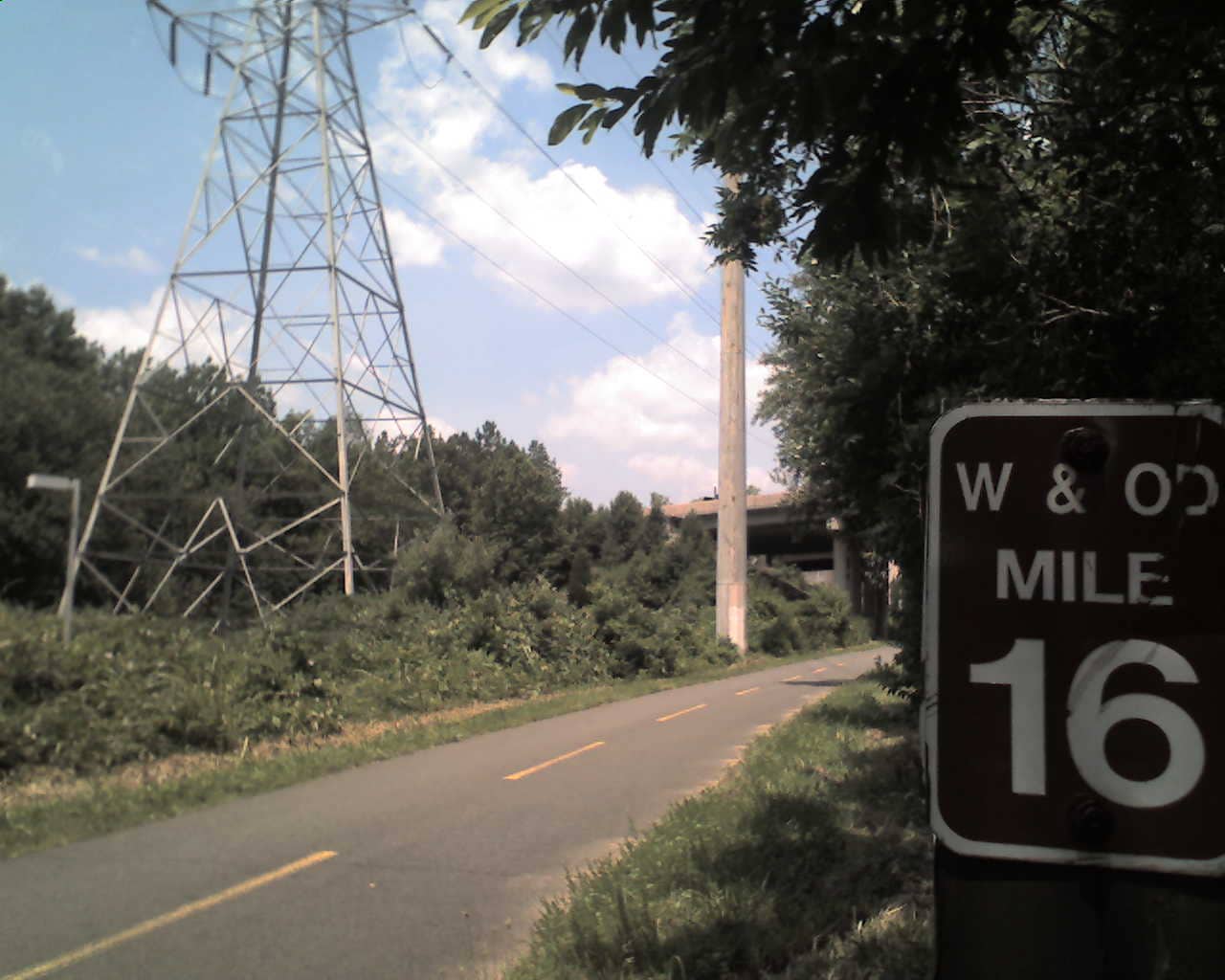
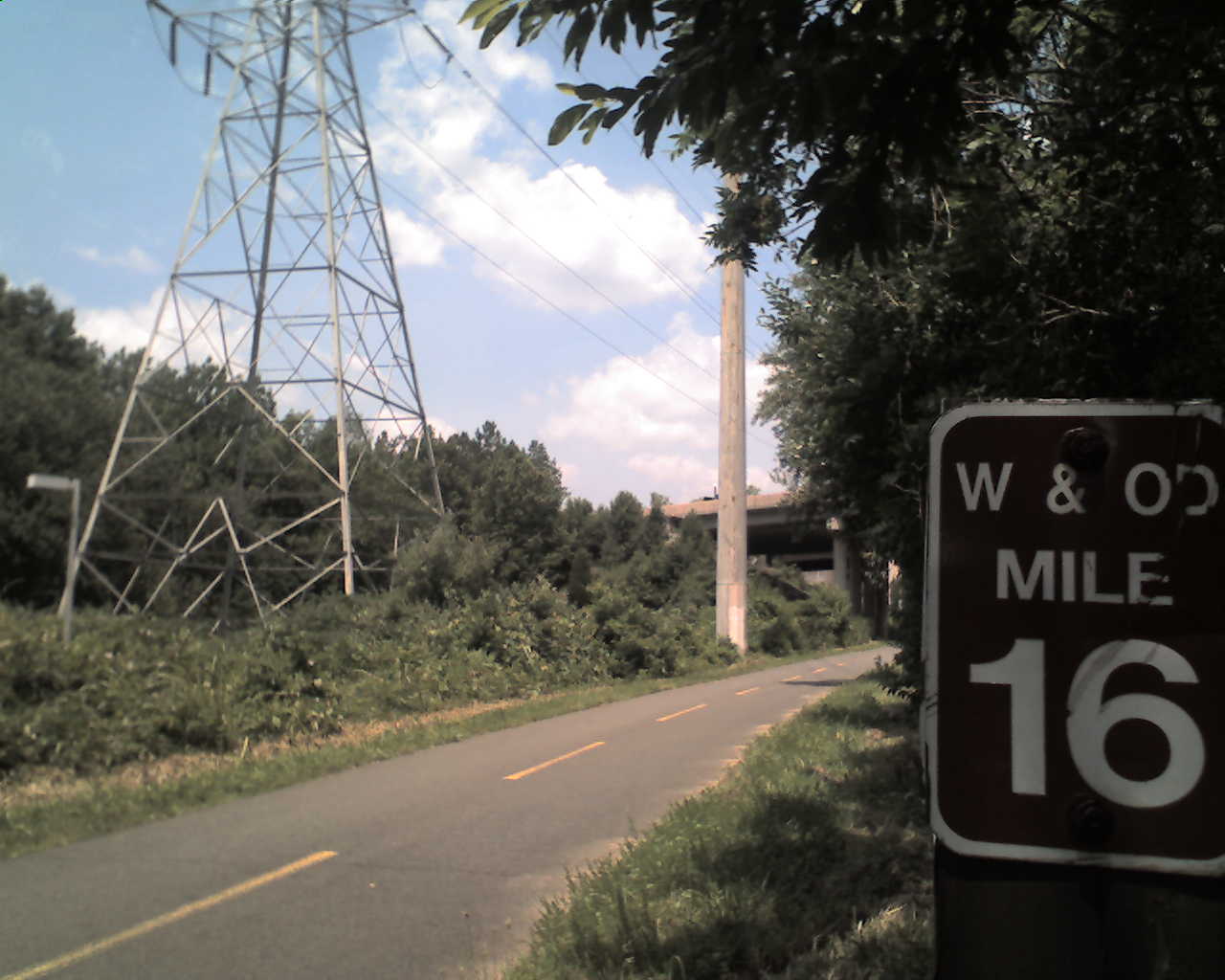
The Washington & Old Dominion Trail offers 45 miles of paved rail-trail from Shirlington through Vienna, Reston, Herndon, Leesburg, and Purcellville. NOVA Parks permits e-bikes with a 20 mph powered-speed cap. See /trails/virginia/washington-and-old-dominion-trail.
The Mount Vernon Trail runs 18 miles along the Potomac from Mount Vernon through Alexandria and Arlington. NPS allows Class 1 and Class 2 with mandatory pedaling and a 15 mph limit. See /trails/virginia/mount-vernon-trail.
Custis and Bluemont Junction trails connect Arlington riders toward the W&OD and I-66 corridor. These urban segments demand traffic awareness and lower assist near pedestrians.
- W&OD Trail — primary long-distance paved corridor
- Mount Vernon Trail — scenic riverfront riding
- Custis / Four Mile Run — Arlington commuter connectors
- Potomac bridges — Key, Memorial, 14th Street — verify bike access hours
Beginner-friendly routes
Vienna to Reston on the W&OD offers flat pavement with services at both ends—good for first NOVA trail rides. Shirlington to East Falls Church covers a shorter eastern segment with Metro access.
Avoid Mount Vernon on peak summer weekends for your first outing; Gravelly Point and Old Town congestion reward patience better once you are comfortable passing on the W&OD.
See /guides/best-beginner-ebike-trails-near-dc for cross-jurisdiction beginner options including Maryland's Capital Crescent.

Commuting considerations
Arlington and Alexandria commuters mix trail and on-street bike lanes. The W&OD eastern corridor sees rush-hour bike traffic comparable to urban lanes—use Eco assist and announce passes early.
Metro allows folding bikes off-peak; full-size e-bikes are impractical on rail most hours. Metrobus bike racks often cannot accommodate heavy e-bikes—verify weight limits.
Crossing into DC requires checking District motorized-bicycle rules at /laws/washington-dc. Class 3 bikes may not qualify as legal e-bikes in the District.
E-bike class and local rule notes
Virginia exempts compliant Class 1–3 e-bikes from licensing and registration. Class 3 requires helmets for all riders and passengers; riders under 14 need supervision.
NOVA Parks caps motor-assisted speed at 20 mph on the W&OD regardless of class. NPS trails cap at 15 mph and prohibit throttle-only riding on Mount Vernon.
Sidewalk riding is generally allowed unless a locality prohibits it—yield to pedestrians. Read /guides/can-you-ride-an-ebike-on-the-sidewalk for details.
Parking and access tips
W&OD parking lots at Shirlington, Vienna, Reston, Ashburn, Leesburg, and Purcellville support shuttle rides. East Falls Church and Vienna Metro stations offer bike-plus-transit access.
Mount Vernon Trail parking at Belle Haven and Mount Vernon estate fills on weekends. Arrive early or ride from Alexandria neighborhoods.
Bike theft is a concern at Metro racks and urban trailheads—use quality locks and remove displays when possible.
What to check before riding
Verify NOVA Parks and NPS alerts for construction closures. W&OD overpass projects and NPS maintenance can detour routes seasonally.
Confirm your bike class against each trail manager's policy before crossing into Maryland or DC on bridge connectors.
Law reference: /laws/virginia. City-specific guides: /guides/riding-ebikes-in-arlington, /guides/riding-ebikes-in-alexandria, /guides/riding-ebikes-in-leesburg.
Equipment and security for NOVA e-bike riders
Lights are essential for W&OD underpasses and Mount Vernon bridge segments used near dawn or dusk. Virginia does not mandate adult helmets except on Class 3 bikes, but crowded trails reward visible equipment and predictable riding.
U-lock plus cable combinations protect wheels and batteries at Metro racks and trailhead parking. Remove displays and batteries when parking in high-theft corridors like Shirlington and Rosslyn extended stays.
Carry a basic repair kit and phone charger on longer NOVA rides. Eastern segments have frequent bike shops; western Loudoun stretches may leave you 10+ miles from the nearest service if you flat without supplies.
Tire pressure around 50–60 psi suits most paved NOVA trails. Lower pressure helps if you detour onto the W&OD parallel bridle path on a gravel bike—confirm bridle path e-bike rules before leaving the paved spine.
Seasonal riding patterns in Northern Virginia
Spring brings cherry blossoms along the Potomac and heavy weekend use on Mount Vernon and eastern W&OD segments. Summer heat and humidity reduce battery range—plan dawn rides in July and August.
Fall offers the best combination of temperature and trail conditions on paved NOVA corridors. Winter ice under highway overpasses on the W&OD and Mount Vernon requires reduced assist and cautious braking.
NOVA Parks posts construction alerts for tree work and bridge projects that can close segments without much notice. NPS maintenance on Mount Vernon sometimes reroutes cyclists onto parkway shoulders—read alerts before weekend plans.
Traffic, safety, and road connectors
NOVA trail networks depend on road connectors with driveways, highway crossings, and occasional unprotected intersections. E-bike torque makes it easy to enter crossings faster than pedestrians expect—slow before every curb cut.
George Washington Memorial Parkway crossings near Mount Vernon require patience during tourist season. Drivers scanning for parking often miss cyclists approaching trail exits.
Virginia's permissive sidewalk statute does not eliminate conflict on narrow suburban sidewalks near strip malls. When a parallel trail exists, use it instead of threading past shop entrances on Lee Highway or Route 7 connectors.
Report hazardous trail conditions to the managing agency. NOVA Parks and NPS maintain issue reporting channels that help prioritize repairs after storms.
Where to verify rules and conditions
NOVA Parks publishes W&OD alerts and hours at novaparks.com. NPS maintains George Washington Memorial Parkway trail updates for Mount Vernon segments. Bookmark both before committing to a long weekend ride.
Virginia statewide defaults live at /laws/virginia, but Fairfax, Arlington, and Loudoun county bike pages add local sidewalk and park rules. A county ordinance can narrow state permissiveness without appearing on trailhead signs.
Trail pages list last-verified policy dates. Re-check primary sources if your ride is more than a few months after that date—especially for NPS compendiums updated seasonally.
FAQ
Yes. Virginia recognizes Class 1, Class 2, and Class 3 e-bikes under state law. Trail managers like NOVA Parks and NPS add operational rules on specific paths.